Introduction
Nice Corporation was certified as a B Corp on April 5, 2023 — a globally recognized declaration of companies committed to balancing profit with purpose by prioritizing their impact on society, the environment, and all stakeholders, both within and beyond the organization.
It’s been approximately two years since the initial certification, and challenges facing our industry — such as labor shortages, rising raw material costs, and the shift toward smaller production runs — continue to grow. The road ahead for traditional OEM apparel manufacturing is not an easy one.
With this in mind, we have continued to advance our B Corp commitments while also pursuing new opportunities, such as exhibiting at international trade shows and obtaining GOTS (Global Organic Textile Standard) certification, an organic certification specifically tailored to the apparel industry. We are actively working toward the next stage, in the hopes that domestic and international clients will continue to choose us even in an increasingly complex market.
Bridging the gap between our ideals and the reality on the ground remains an everyday task. In this B Impact Report, we have outlined the progress we have made over the last two years.
We hope that our customers — both domestic and international — along with anyone who has an interest in what we do, will take a moment to see the values and commitments that define Nice Corporation.
April 1, 2026
Ikuma Izutsu
President
Nice Corporation
Company Profile and Business
Company Profile
| Company name | Nice Corporation |
| President | Ikuma Izutsu |
| Established | November 1990 |
| Number of employees | 42 (as of August 2025) |
| Capital | 10 million yen |
| Business | Clothing production |
| Monthly production: approximately | 6,000 units |
| Main clients | Patagonia Japan, TSI Inc. |
| Partner Companies | meiwa sangyo co.ltd 7-6 Oroshi-cho, Fukuyama, Hiroshima JAPAN 721-0954 Color de Kips 1-13-5 Kamino-cho Kojima, Kurashiki, Okayama JAPAN 711-0907 Nissen Factory Co., Ltd. 1-9-11 Kamino-cho Kojima, Kurashiki, Okayama JAPAN 711-0907 SUBJECT inc. 2-1585-1 Shimono-cho Kojima, Kurashiki, Okayama JAPAN 711-0907 Wells co., ltd 4-22-24 Hamano Minami-ku, Okayama, Okayama JAPAN 711-0845 |
History
| 1990 (Nov.) | Established Nice Corporation LLC |
| 1993 (Nov.) | Changed registration from limited-liability company to stock company Moved the head office from Kojima Shimono-cho to Kojima Kamino-cho |
| 2001 | Moved the head office from Kojima Kamino-cho to Kojima Shimono-cho |
| 2003 | Ikuma Izutsu entered the company |
| 2008 | Established the company’s own factory in Kojima Shimono-cho |
| 2013 | Introduced cutting machine CAD/CAM |
| 2015 | Opened Tamagawa Factory in Hagi, Yamaguchi |
| 2018 | Made SUBJECT LLC a subsidiary, and Tsuyoshi Yamanobe was its appointed representative |
| 2020 (Jul.) | Kazuhiko Izutsu and Ikuma Izutsu assumed the position of chairman and president respectively |
| 2023 (Jan.) | Launched of original brand NC PRODUCTS |
| 2023 (Apr.) | 20th Japanese company to be B Corp certified |
| 2023 (May) | Obtained GOTS certification |
What Makes Nice Corporation Unique
Community Based
One-Stop Production
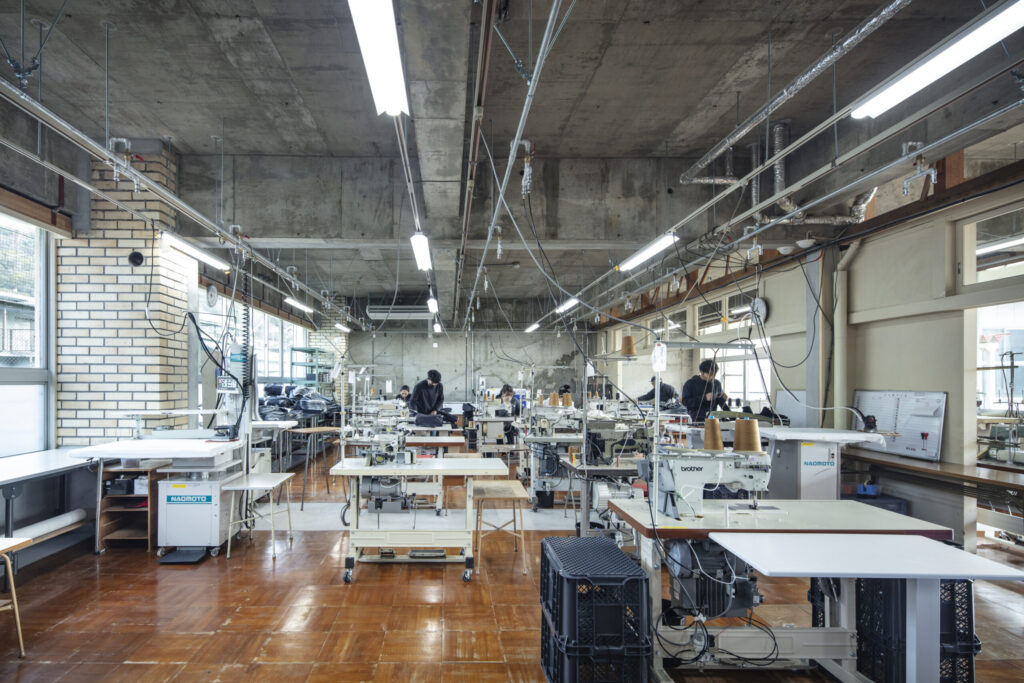
Our strength lies in our ability to manage the entire production process, from start to finish, by collaborating with local partners. This includes planning, patterning, cutting, sewing, washing and processing, printing, finishing, inspection, and shipping.
Cultivating Trust
and Technique
We prioritize cultivating trust across all fronts – between factories, within the workplace, and with our customers. As a company based in the birthplace of Japanese jeans, we combine the skilled craftsmanship rooted in the history of “Made in Kojima” with the fresh perspectives of the younger generation. With trust and technique at our core, we leverage the knowledge and techniques we’ve accumulated since our founding to bring our customers’ visions, down to every detail, to life.
Manufacturing
Beyond Denim
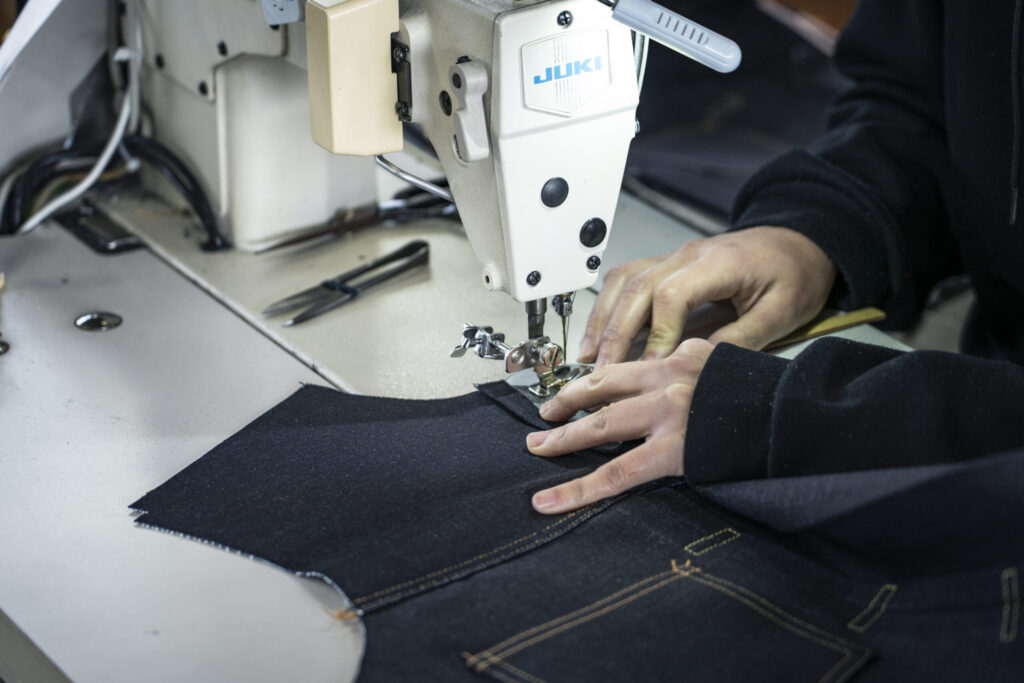
Denim accounts for about 60% of our production. However, we actively apply the techniques we’ve garnered through denim manufacturing to sewing denim with other materials, as well as producing other apparel items such as tops.
Passing on Regionally-Cultivated Values to the Next Generation
One of our core missions is to carry forward the denim-making techniques that have been cultivated in the Kojima region, while also embracing and sustaining the region’s diverse crafts and cultural traditions across various fields. We are intentional in what we choose to preserve, creating things that bring pride to the people, factories and wider community behind each product, while also exploring new possibilities across disciplines. Through these efforts, we hope to pass on the values we have nurtured alongside this region to the next generation.
Governance
Our primary focus is to establish transparency within the company. We actively encourage
communication between management and employees, ensuring transparency across the company by disclosing business metrics and gathering feedback from employees.
Keywords: Ensuring transparency with employees by disclosing internal information; incorporating diverse opinions to create a comfortable working environment; establishing a feedback system that supports each employee; GOTS certification.
(i) Semi-Annual Sales Briefing
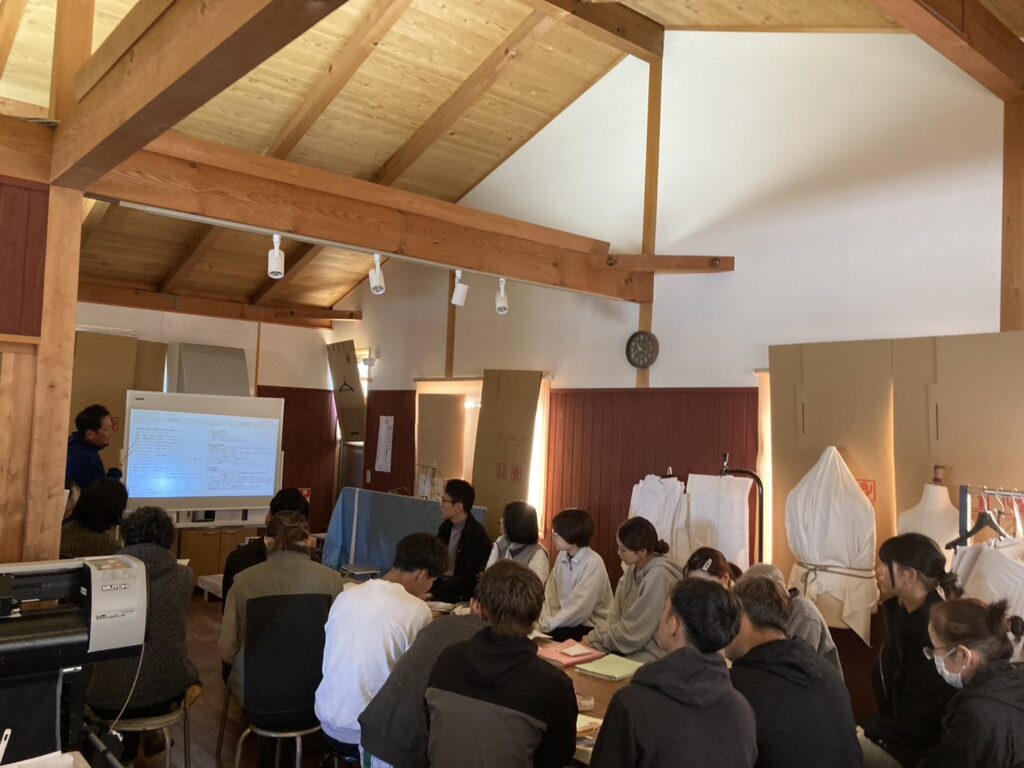
We hold a sales briefing twice a year, attended by factory workers as well as our technical trainees from Indonesia. During these meetings, we focus on explaining important business updates, including sales performance.
This year, we introduced a slide-based presentation for the first time to help employees follow along more intuitively and understand the content at a glance. We observed participants looking up attentively as overseas trade show photos and company vision slides were shared. We intend to continue with this presentation format going forward.
(ii) Employee Interviews with External Experts
We invite external experts (ex. certified small and medium enterprise consultants [SME] and B Corp consultants) to conduct one-on-one interviews with employees. This initiative allows us to address concerns and questions that employees may find difficult to share directly with management.
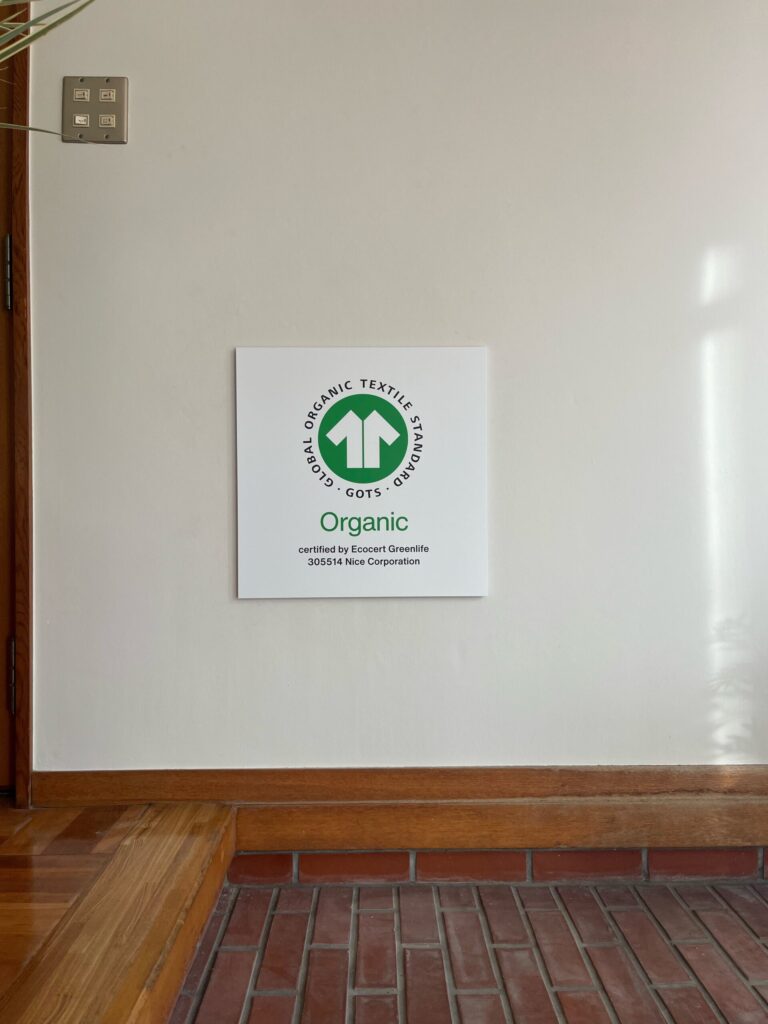
(iii) Obtaining the GOTS Certification
As we move to expand our international business, we began working toward the GOTS (Global Organic Textile Standard) certification — a globally recognized and trusted organic textile certification — at the start of the year. Following an on-site audit, we successfully obtained the certification in May.
The audit placed significant emphasis on compliance with employee rights, including fair wages and working hours, as well as equitable employee evaluation practices. We believe the high marks we received reflect the value of our bottom-up management improvement initiatives — employee satisfaction surveys and one-on-one interviews — which are also a core part of the B Corp framework.
We view the “human rights and environmental accountability” standards that are especially valued in Europe as a global benchmark, and we are committed to upholding and advancing them on an ongoing basis.
(iv) Planned Relocation of Head Office Factory
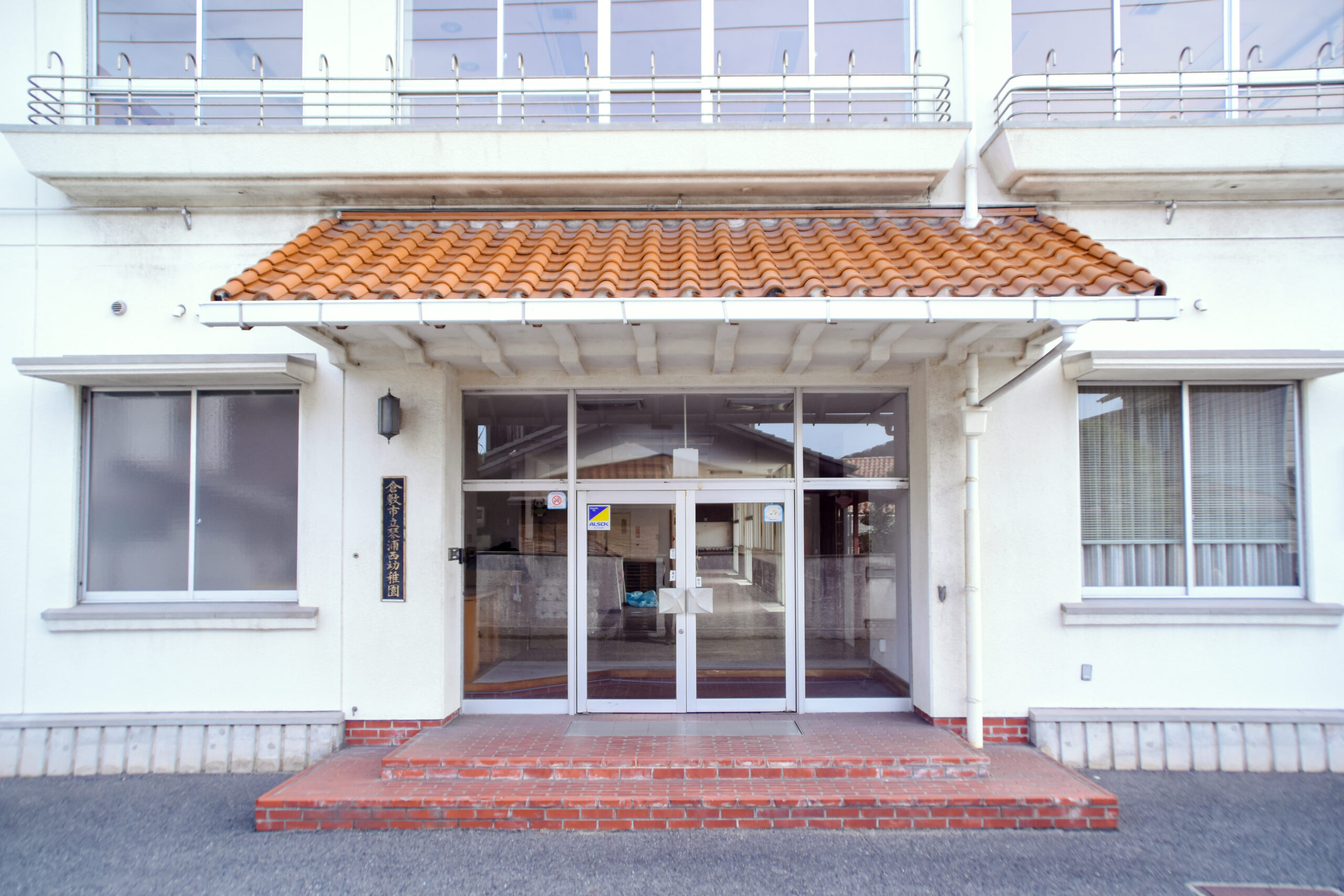
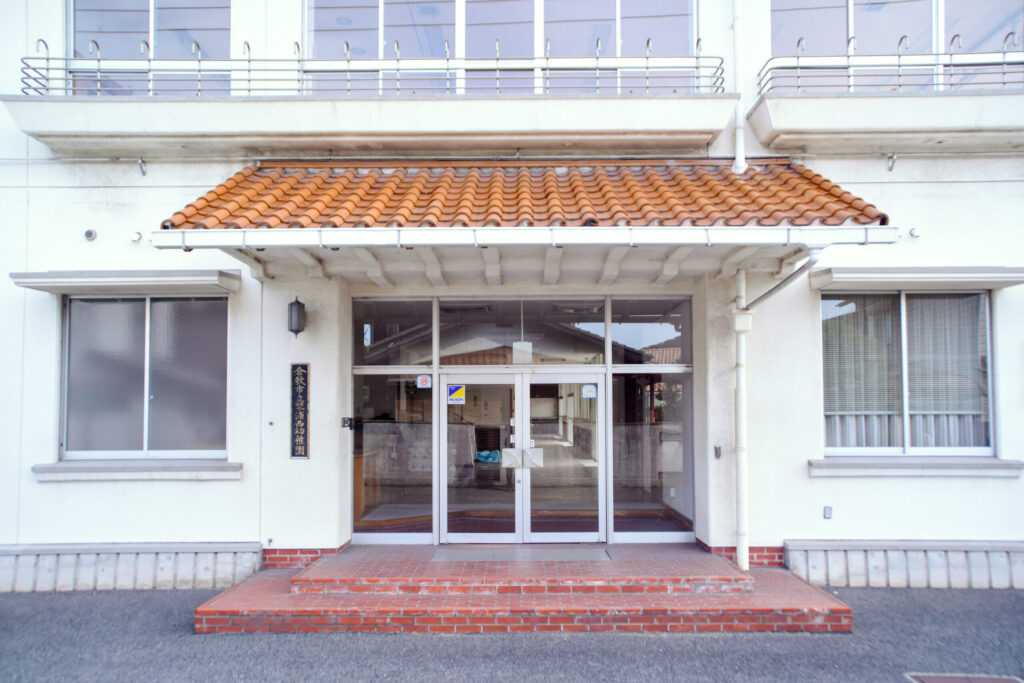
In January 2026, we plan to relocate our head office factory to the former Kotoura Nishi Kindergarten, which is currently being renovated. The relocation will serve as an opportunity to prioritize the following three objectives:
1. Appropriate expansion of production capacity
2. Creating a safe and comfortable working environment for employees
3. Launching new cross-sector initiatives with like-minded local businesses
We will continue to pursue quality-focused manufacturing by deepening our connections with the local community from within a space that carries its own cultural and historical significance. Through these efforts, we aim to become a trusted company, both domestically and internationally.
Reflecting on Governance
topic fosters a sense of team cohesion and accountability.
The GOTS certification, which we began pursuing last fiscal year, is a social and environmental certification specific to the apparel sector, and it required extensive preparation across multiple fronts before the on-site audit. The fact that we were able to clearly and honestly explain to the auditors the various policies, operational systems, and practical steps we had put in place through our B Corp journey — and to receive high marks for doing so — is, I believe, a testament to the work we have built up over time. As we expand internationally, we intend to position our two certifications — B Corp and GOTS — as the foundation of our operations in line with global standards, and to leverage them across both our sales activities and our internal organizational development. (Yamatogi)
One of the major milestones of the past fiscal year was obtaining the GOTS certification. I made the decision to pursue this apparel sector specific certification — in addition to B Corp — because we cannot compete in the global market without it.
Going forward, I believe we need to genuinely embed the values behind these certifications into our day-to-day operations. It is not enough to simply comply with rules and standards — we must raise the bar with what we do and how we communicate our efforts to meet external expectations. We have been receiving more and more positive responses and outreach from outside the company, and I want to make sure we share those moments appropriately within the team and use them as a springboard for our next challenges. While remaining rooted in Kojima as a production base, I also want to broaden our collaborations beyond the apparel industry, bringing new stimulation and learning into our workplace and creating an environment where our employees can develop a wider perspective. My aim is to take the opportunities we are given and translate them — through the growth of our on-the-ground capabilities — into greater value for our customers. (Izutsu)
Workers
Weʼre committed to expanding employee benefits and enhancing employee fulfillment at work. Through a range of training programs and employee satisfaction surveys, we are actively working to create a work environment that supports employeesʼ well-being.
Keywords: Support career advancement through skill transfer; expand perspectives by engaging in cross-disciplinary work; provide opportunities for leisure and education, including for employee families; initiatives to foster independence; collect employee opinions to analyze and address challenges.
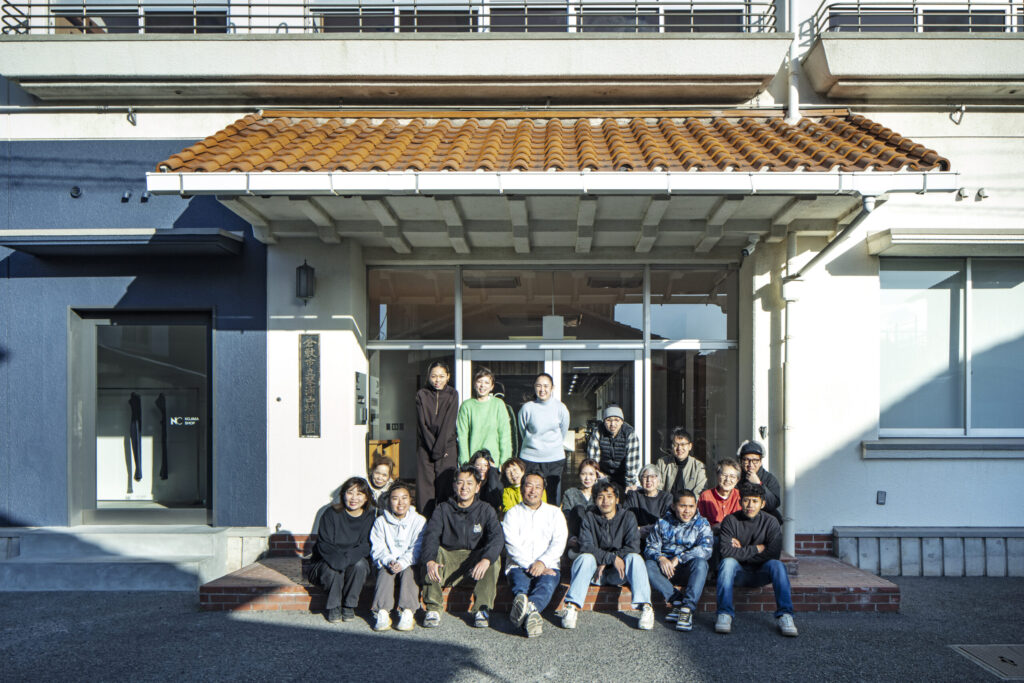
(i) Employee Growth Rate
Compared to the end of the previous fiscal year (April 2024), the head office factory saw an increase of 4 employees (1 regular employees and 3 trainees), and the Tamagawa factory also added 5 new employees (1 regular employee and 4 trainees).
Total employees: 38 → 41
(an increase of 3 employees for the full year)
(ii) Employee Training Initiatives
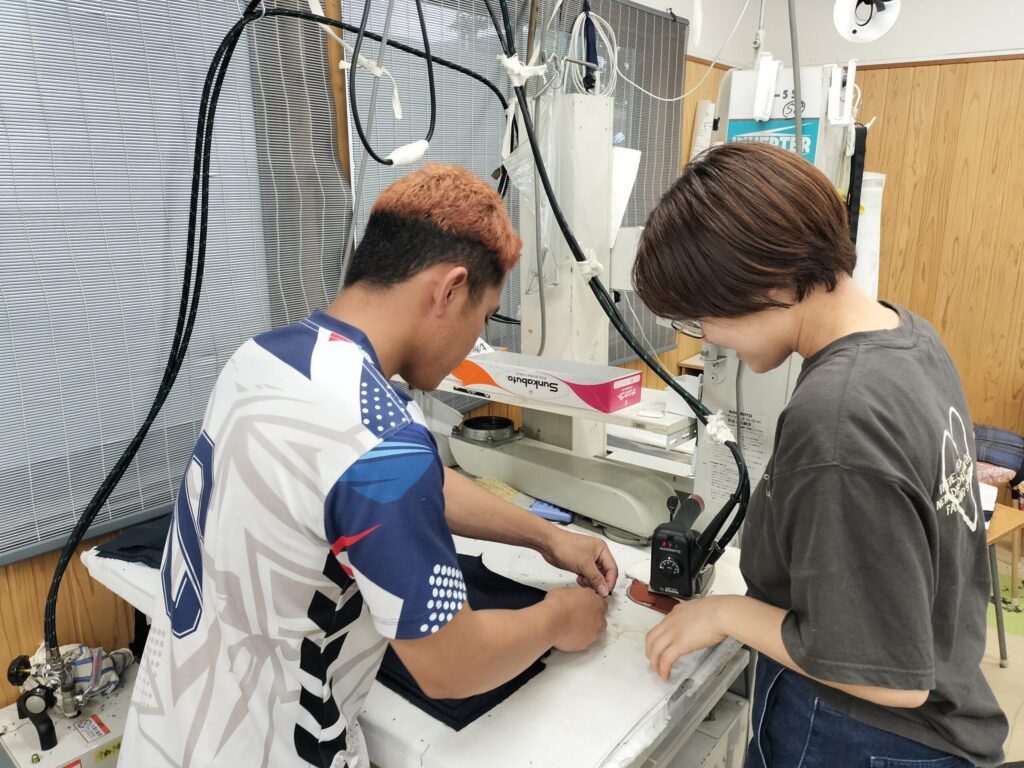
In response to the growing number of younger workers at our head office factory, weʼve introduced new-employee training to help them learn sewing techniques. These recruits work on mass production lines while also working closely with dedicated mentors on sample sewing tasks. This training helps them develop their skills in line with the demands of both domestic and international high-end brands, while also providing support for their concerns and challenges. Additionally, employees in production management participate in discussions regarding our in-house brand “NC PRODUCTS.” This training goes beyond their usual roles, encouraging cross-departmental collaboration to broaden their knowledge and expertise.
(iii) A Collaborative Project with Next-Generation Creators
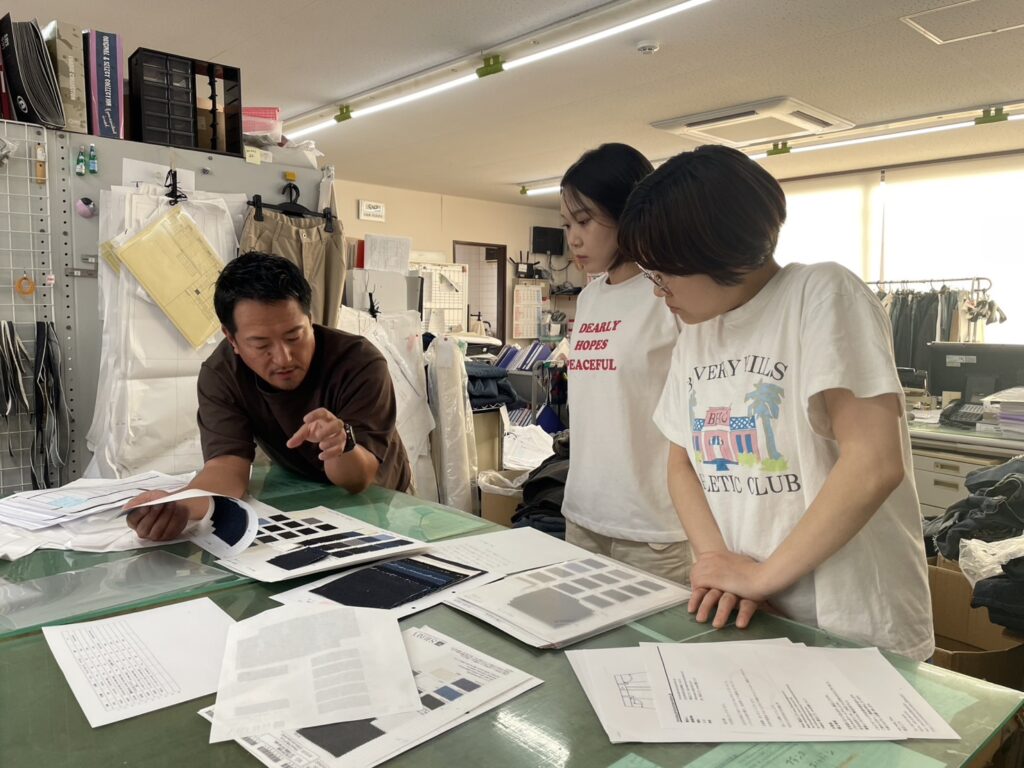
As a new initiative, we launched a project in partnership with a Tokyo-based creative school, collaborating with the school’s teenage designers to produce denim products as a part of their original brand concepts.
The project also serves as a cross-skill training opportunity: a young team leader from our sewing floor was appointed as the point person, gaining experience in project planning and broadening their perspective beyond day-to-day production work.
We hope that the ideas that emerge from the pairing of young sensibilities will enrich our product development — and that the project will generate meaningful outcomes for both sides.
(iv) Employee Benefits and Family-Friendly Activities
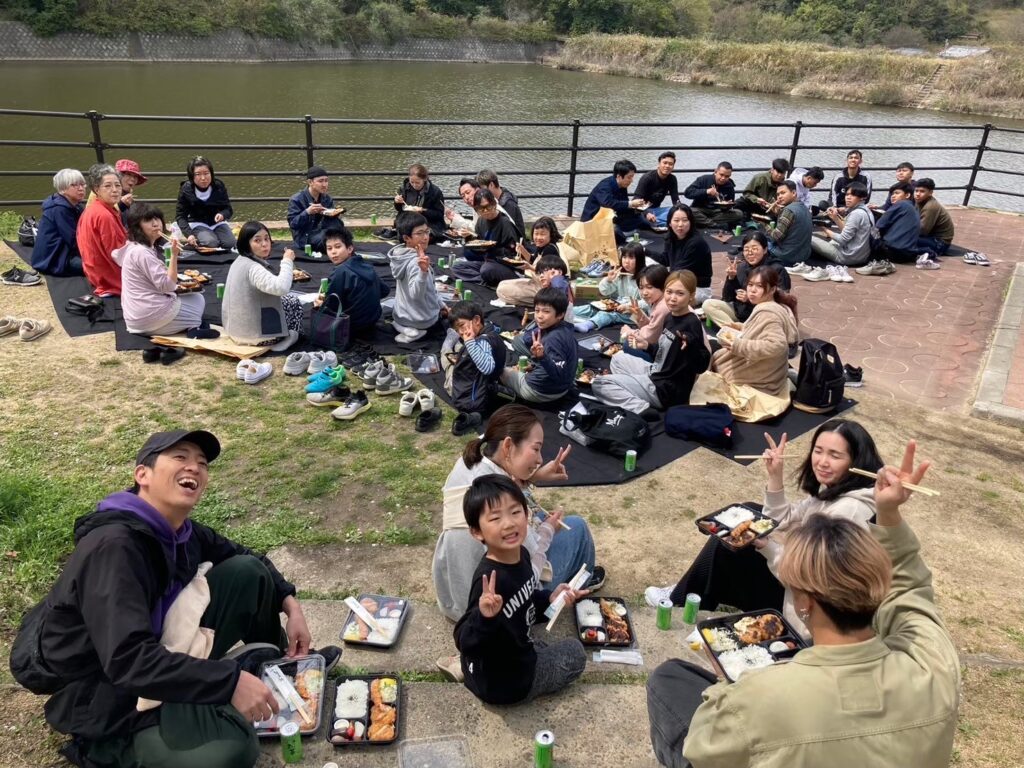
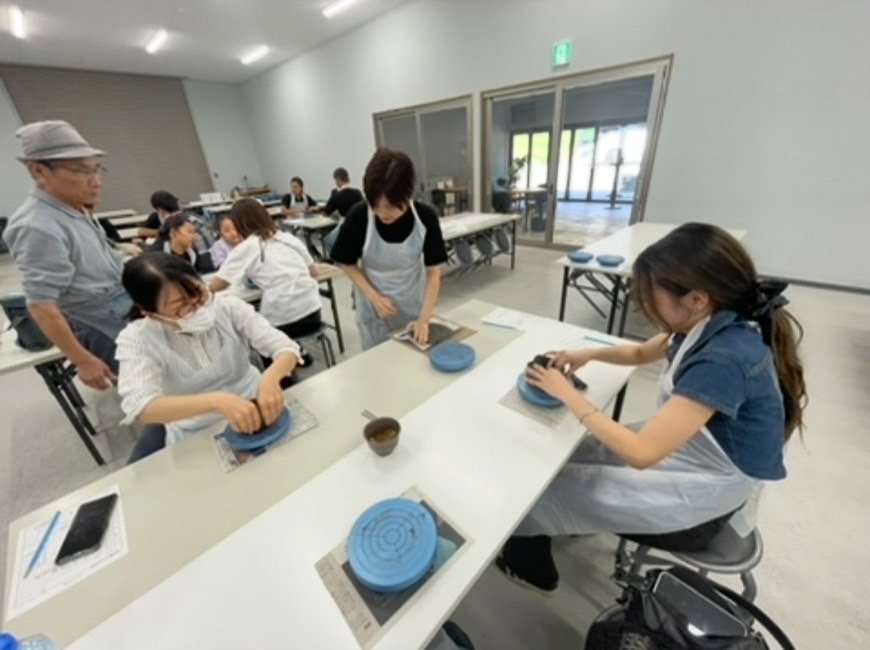
Every morning, we begin the day with a group stretching session known as radio taiso (a traditional Japanese morning exercise routine). This helps employees loosen up before starting work. We end the session with a handshake to promote unity and a positive atmosphere across the company. We also organize seasonal events like cherry blossom viewing parties, company trips where employees can bring their families, and regular in-house study sessions. These initiatives strengthen relationships among employees and provide opportunities for relaxation and personal development.
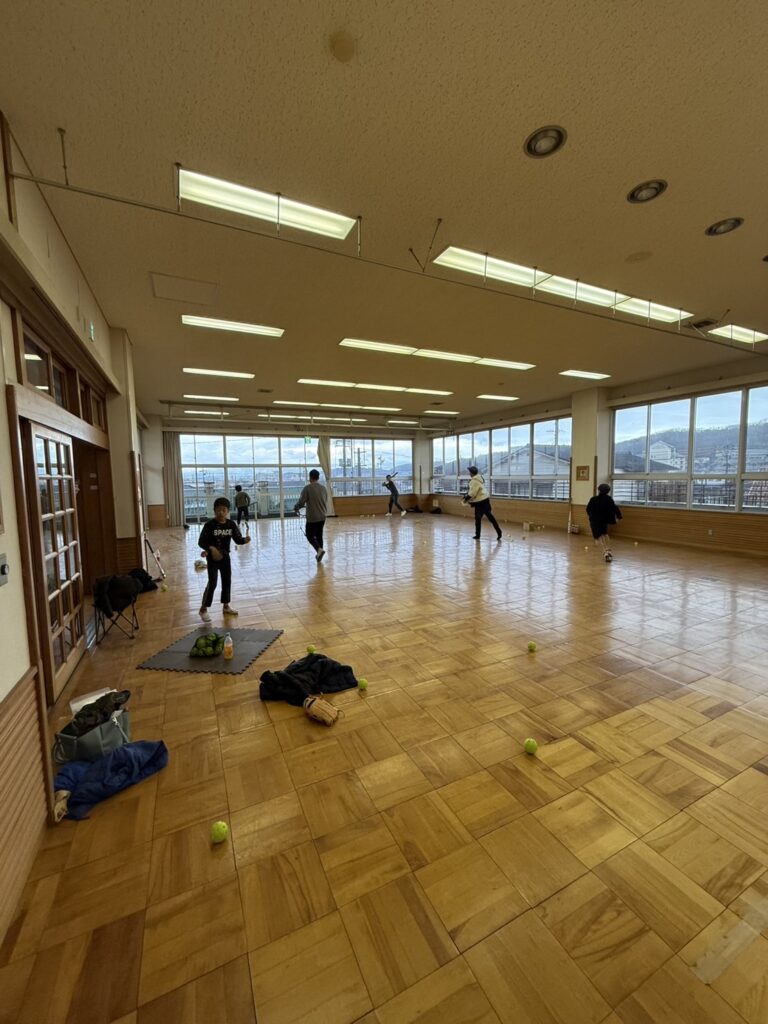
Following the relocation of the head office factory to the former kindergarten, we also plan to open up the former playroom as a space where employees can spend time with their children — a small but meaningful way to support work-life balance for families.
(v) Employee Performance Evaluation
Employees participate in performance reviews twice a year. These are based on self-assessed evaluation sheets. To foster a sense of self-efficacy and proactivity, employees set annual goals at the beginning of each work year and reflect on their achievements at the end of the work period. This approach encourages greater autonomy in how each employee approaches their work.
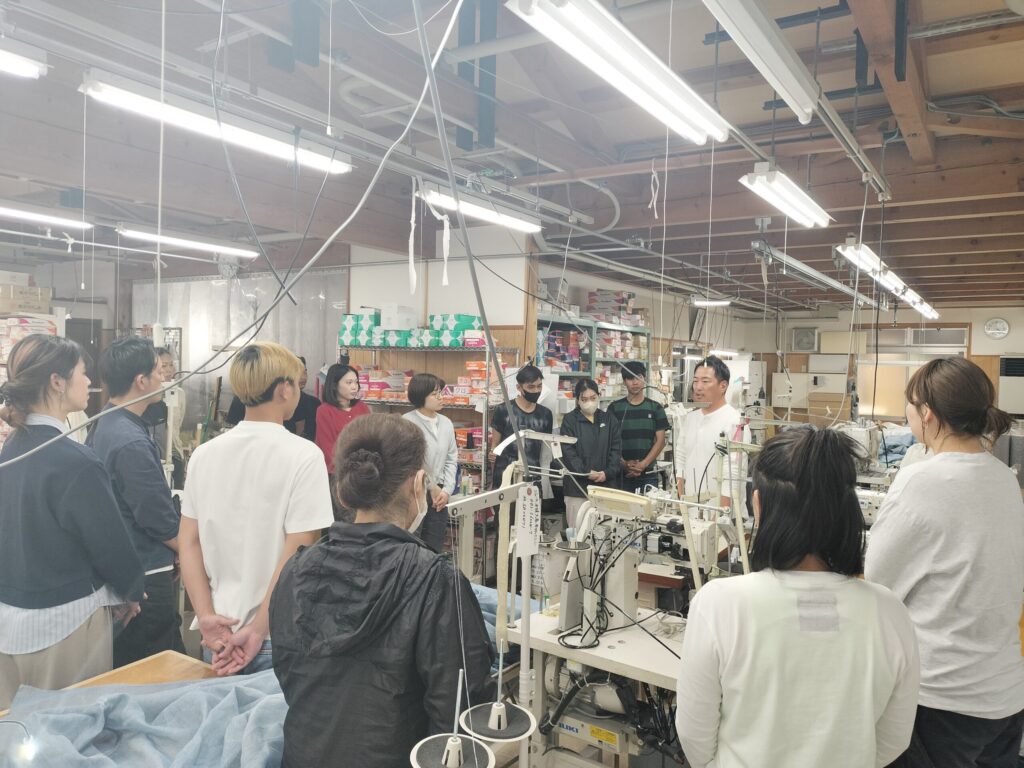
Additionally, this past fiscal year we introduced a new frontline role: Line Leader. Three factory workers were selected as the inaugural Line Leaders. They are now working toward developing the skills expected of managers, including overseeing production line workflow and mentoring junior staff.
(vi) Improving the Working Environment through Factory Relocation (In Progress)
In January 2026, we plan to relocate our head office factory to the former Kotoura Nishi Kindergarten. In preparation for the move, we are developing the facilities and systems needed to create a safer and more comfortable working environment for our employees.
(vii) Employee Satisfaction Survey
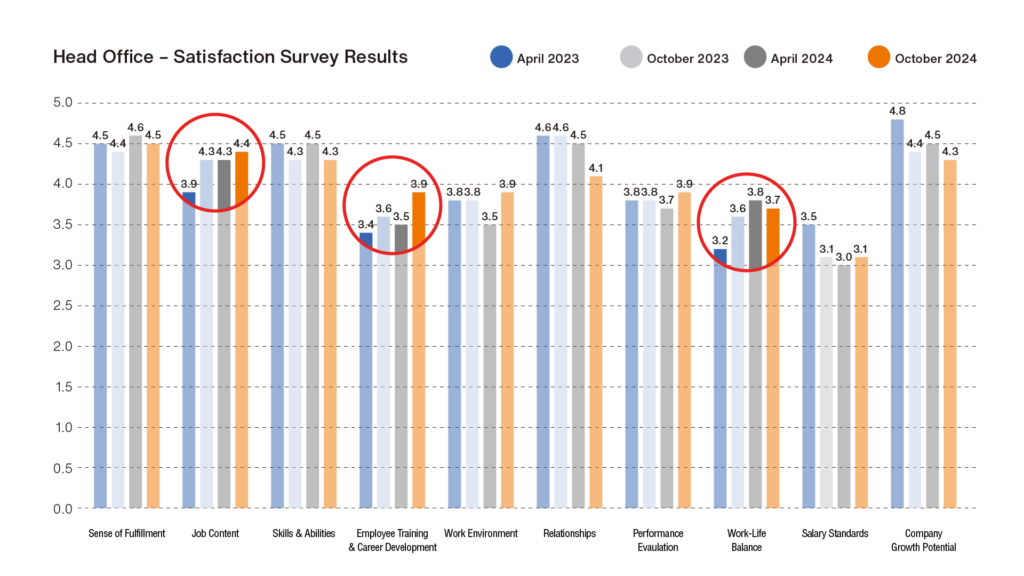
Every six months, we conduct an Employee Satisfaction Survey to gather feedback on job satisfaction, concerns, and suggestions. Results are analyzed both quantitatively and qualitatively each time, and the findings are shared with employees at the semi-annual sales and financial briefings.
In our most recent survey, conducted in October 2024, the head office factory achieved an overall satisfaction rate of over 80%.
(Note: Overall satisfaction refers to responses of “satisfied” or higher.)

Looking at year-on-year trends, we observed improvements in the areas of “Job Content Suitability,” “Employee Training & Career Development,” and “Work-Life Balance.” We believe these results reflect not only greater familiarity with their roles among our sewing staff, but also the positive effects of structural improvements such as the introduction of our career path framework.
On the other hand, while “Company Growth Potential” and “Workplace Relationships” remain at high levels in absolute terms, both showed a decline compared to the previous year. “Salary Levels” continues to be a persistent area of concern, and we will continue to investigate the underlying causes and explore improvement measures.
Reflecting on Workers
As in the previous year, the Workers category remains our highest priority in our B Corp efforts. The reason is simple: in a labor-intensive industry like garment manufacturing, where labor shortages are expected to worsen, improving employee conditions while expanding both retention and recruitment is the single most critical factor in ensuring the long-term sustainability of our business.
A key development this past year was the implementation of our HR evaluation program, which assesses sewing technique and management ability through regular performance reviews, with incremental salary additions based on achievement levels. Under this new framework, three employees were selected to take on a frontline supervisory role as Line Leaders. We consider this to be a first step toward greater autonomy on the sewing floor. We hope they will gradually build the skills expected of managers through their work overseeing production lines and mentoring junior staff.
As a cross-skill training initiative, we were also able to launch a project in which our sewing floor staff participated in the planning of an apparel brand designed by teenagers, collaborating to bring original denim products to life. I see this as a significant step forward. I want our workers to step outside their familiar environment, encounter a broader world, and expand their own sense of possibility — and then bring what they learn back to the sewing floor, contributing to the growth of the organization as a whole. (Yamatogi)
While working on the co-creation project with teenage designers from a Tokyo creative school, we had a wonderful surprise: one of the young participants already knew about Arch Co., Ltd., a fellow B Corp-certified apparel company — and through that connection, they quickly understood and embraced what we do as well.
It was a moment that showed me how B Corp awareness is steadily spreading among younger generations, and as a certified company ourselves, it was both encouraging and genuinely heartening.
In this context, we need to redouble our efforts to create an environment where younger employees can work with confidence and security over the long term. Our employee benefits have historically been designed with the assumption that employees have families, but going forward, we need to build systems where everyone — including those in single households — feels that they want to keep working here. We will continue to explore how, as a company, we can support our employees and prevent isolation, while respecting the diversity of their lifestyles.
On the organizational front, we introduced the Line Leader role on the sewing floor this past year. The kind of leadership we’re looking for is not a rigid, one-size-fits-all model. We want to nurture a leadership layer that reflects each person’s strengths and unique approaches, where each member feels a sense of shared responsibility for the factory. Our goal is to value the kind of self-directed initiative that comes from within each employee.
Going even further, systems like the self-reported salary proposal model practiced by Kimurasoap industries Co., Ltd. — another B Corp company — may be worth exploring. Rather than management unilaterally deciding compensation, employees themselves think through how they work and what they’re worth, and then reach a consensus together. This model aligns with the open-minded, self-directed organization we are beginning to envision for the future. (Izutsu)
Community
We prioritize working with local businesses to contribute to the economic development of our region. Additionally, by participating in local festivals and events, we actively contribute to the promotion of our local communities.
Keywords: Creating career paths regardless of gender, age, or nationality; Supporting local economic activities; Creating a socially and environmentally conscious supply chain unique to our company
(i) Diversity, Equity, and Inclusion
Female employees:
30 out of 42 total employees (71%)
Female managers:
5 out of 7 total managers (71%)
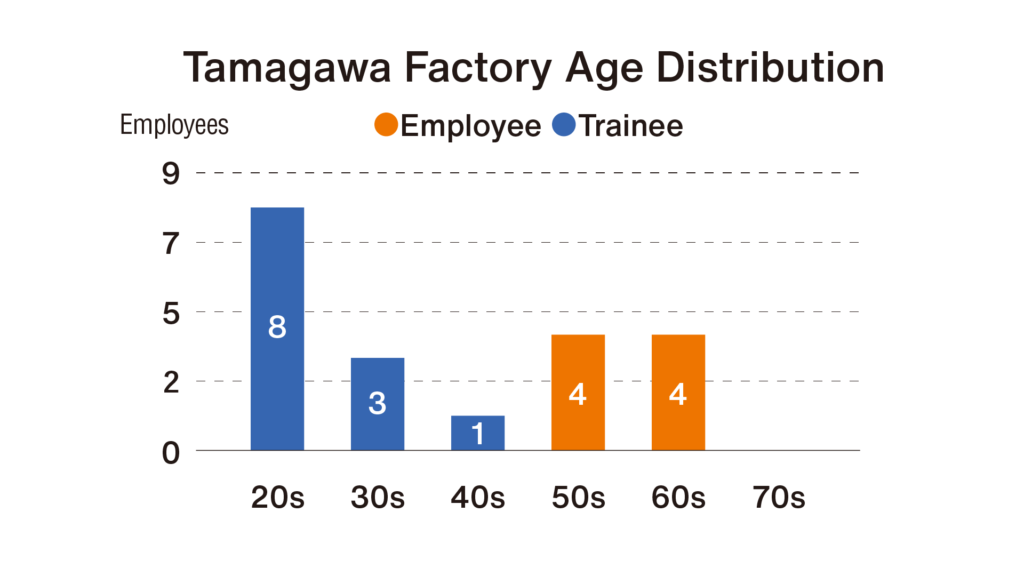
Age distribution:
Head Office:
20s: 9 employees
(including 7 trainees)
30s: 4 employees
40s: 6 employees
60s: 2 employees
70s: 1 employee
Tamagawa factory:
20s: 8 employees
(including 8 trainees)
30s: 3 employees
(including 3 trainees)
40s: 1 employee
(including 1 trainee)
50s: 4 employees
60s: 4 employees
Women are at the heart of our production floor, and we are proud to provide employment opportunities across a wide range of generations, from young workers to those in their senior years.
Our technical trainees from overseas actively participate in company activities such as company trips and cherry blossom viewing parties. Their compensation — including bonuses — is set at a level equivalent to, or in some cases higher than, that of Japanese employees.

(ii) Working with Local Businesses
The majority of our annual expenditures in the current fiscal year were directed towards:
Raw Materials:
85% spent with local suppliers
Outsourced processing:
90% spent with local suppliers
This highlights how our business activities are driving economic support for local suppliers.
Additionally, 50% of our non-labor costs (calculated as total expenses excluding wages, rent, utilities, and taxes) are paid to local businesses. We will continue to move in this direction, maintaining and expanding our transactions with local enterprises, to continue contributing to regional economic development.
Definition of “local businesses”: Suppliers located within 80 km of our headquarters.

(iii) Community Engagement
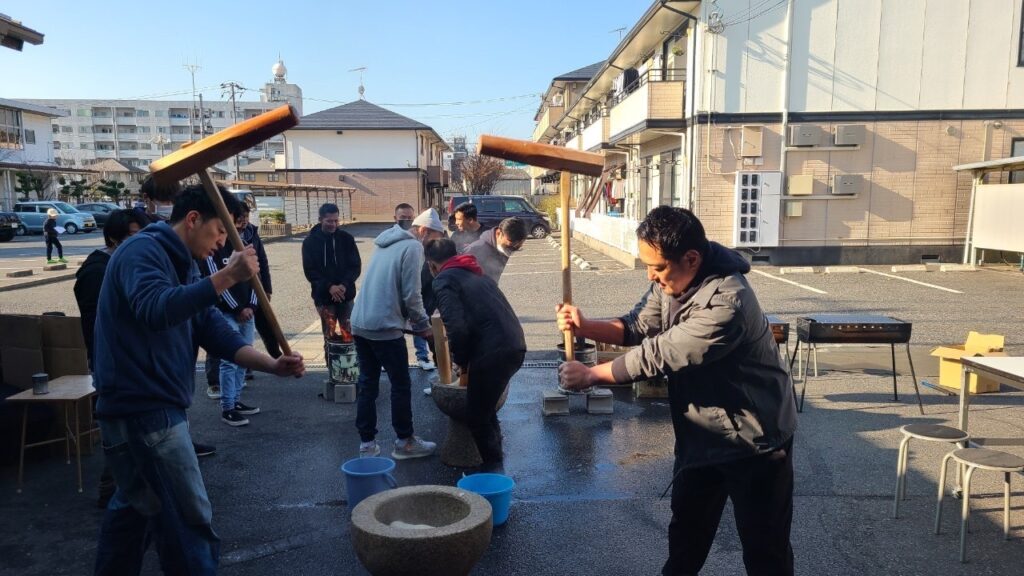
We actively participate in local community activities at our head office. We participate in the Kojima regionʼs Kou Hachiman Shrine Festival by sending over our staff, supporting operational costs, and sharing our company facilities. We also host a mochi-pounding event for our business partners and other stakeholders at the end of each year. These events have become annual traditions at our company.
(iv) Supply Chain Management
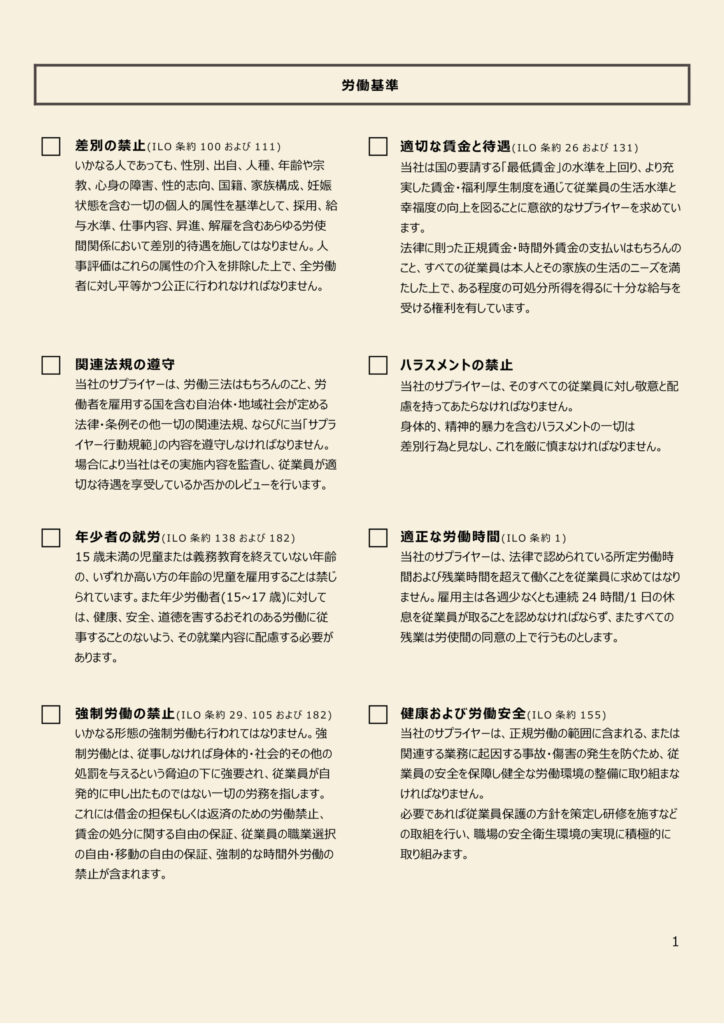
We have developed our own Supplier Code of Conduct, which outlines our social and environmental expectations for business partners. As the industry increasingly calls for human rights due diligence and effective supply chain management, we, as a B Corp-certified company, will continue our efforts to create a supply chain that values both human rights and environmental sustainability.
Reflecting on Community
In terms of Community, we believe that the strengths Nice Corporation has long embodied — creating a workplace where people of all genders and ages can thrive, contributing to the local economy, and fostering a sense of regional vitality — continue to be recognized under B Corp standards. While there are no significant changes from the previous year, these remain areas where we feel our impact is genuinely felt. We will continue to think carefully about what we can do for the Kojima region through our business activities and community contributions. (Yamatogi)
We are currently working on a major project: the relocation of our head office factory to a former kindergarten nearby. Bringing a place full of local memories back to life as a manufacturing hub — and making a fresh start there — feels like a significant responsibility.
After the relocation, I want the factory to become an “open place.” We plan to welcome visitors for factory tours and to open an NC PRODUCTS shop on-site — somewhere customers can come and directly experience our manufacturing philosophy and processes for themselves. I want it to grow into a place that functions as a communication hub for the region.
Looking further ahead, I imagine things like collaborating with neighboring businesses on a factory stamp rally, or hosting a flea market that the local community can enjoy. I want to create events that bring excitement and smiles to the area, involving the entire Kojima production district and turning this space into somewhere that gives back to the community. (Izutsu)
Environment
Weʼ re actively working on initiatives to reduce our environmental impact through efforts such as cutting CO₂ emissions and minimizing waste.
Keywords: Tracking and reducing CO₂ emissions from our factories; Shifting to manufacturing processes that enable waste reuse.
(i) CO₂ Emissions
Regarding our Scope 1 and Scope 2 CO₂ emissions (Note 1), the results were as follows:
Scope 1: 9.5 t-CO2e
Scope 2: 63.7 t-CO2e (Note 2)
In terms of total emissions, the trend over the past three fiscal years has remained broadly flat or slightly declining.
Both our head office factory and Tamagawa factory continue to use Chugoku Electric Power’s renewable energy green plan, enabling us to operate on 100% renewable energy and keeping our effective Scope 2 emissions at zero.
Scope 1:
Direct greenhouse gas emissions from the companyʼs activities (e.g., combustion of fuel, industrial processes).
Scope 2:
Indirect emissions from the consumption of electricity, heat, or steam supplied by another company.
Data Period:
from May 2024 to April 2025.
CO₂ emissions are measured using the “e-dash” application provided by e-dash Inc. and the “ecoln” application provided by San-in Gōdō Bank.

(ii) Monitoring Waste Quantities
Both our headquarters and Tamagawa factories measure waste, and the results are as follows. Moving forward, we will continue to monitor and work on reducing waste.

(iii) Utilizing Waste
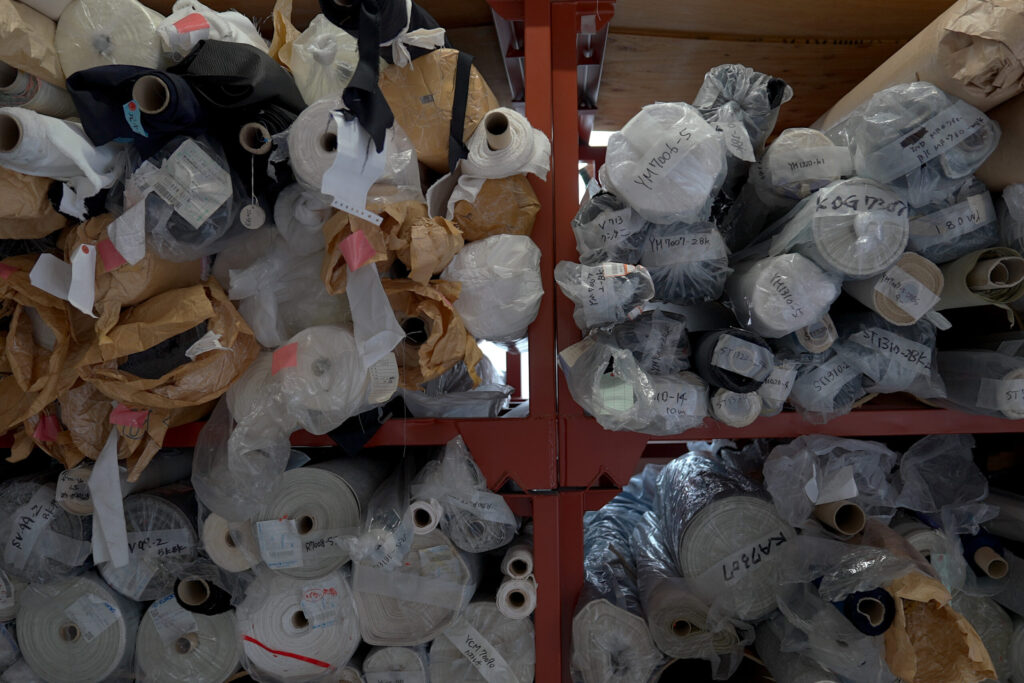
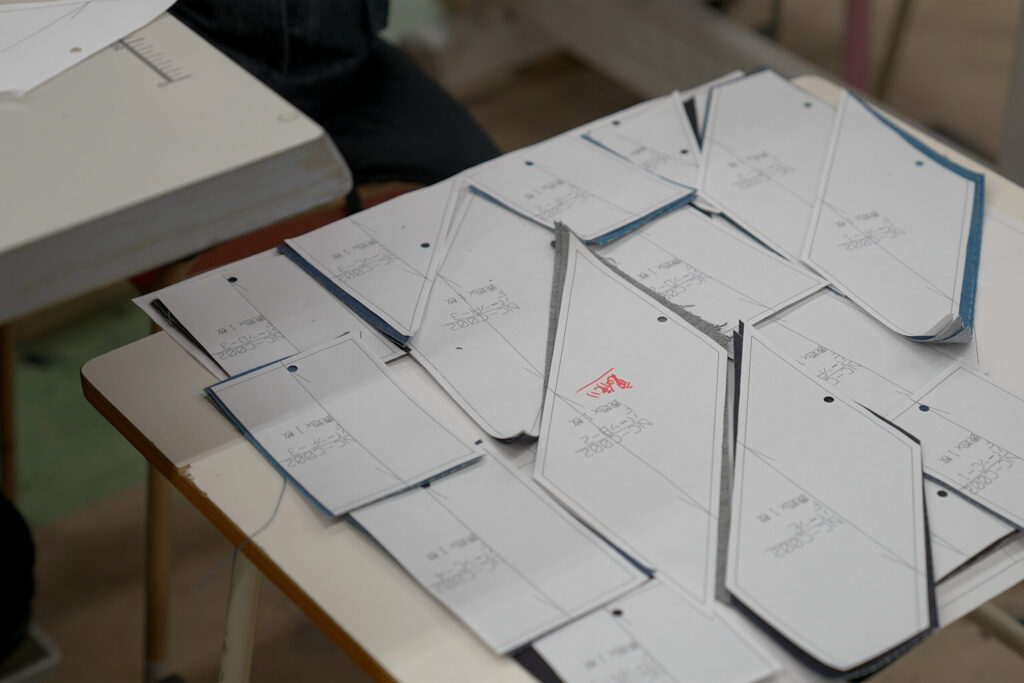
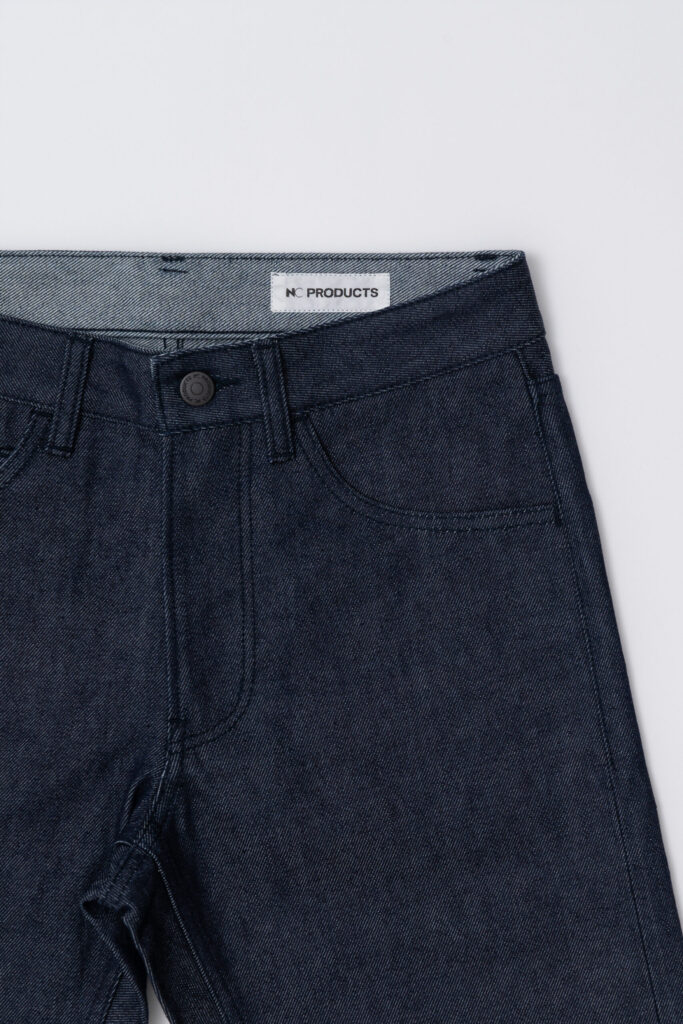
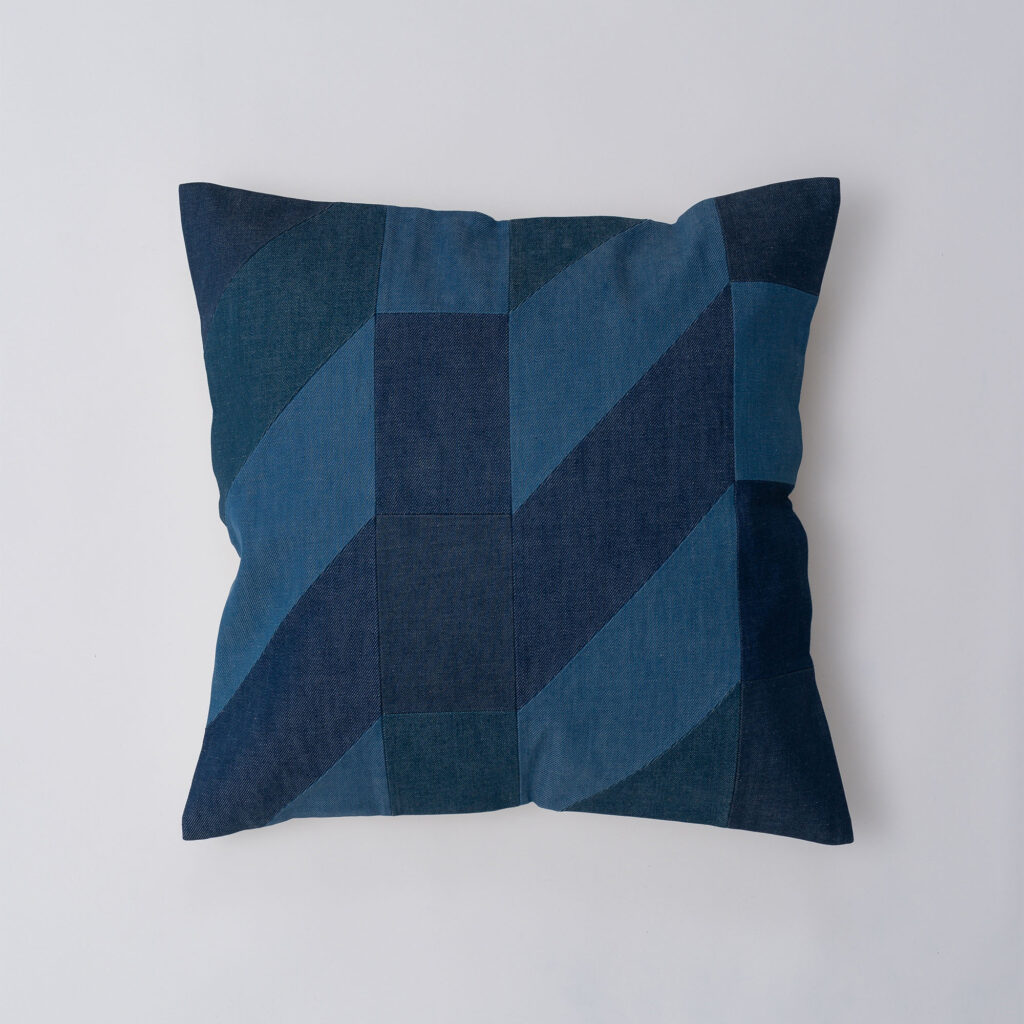
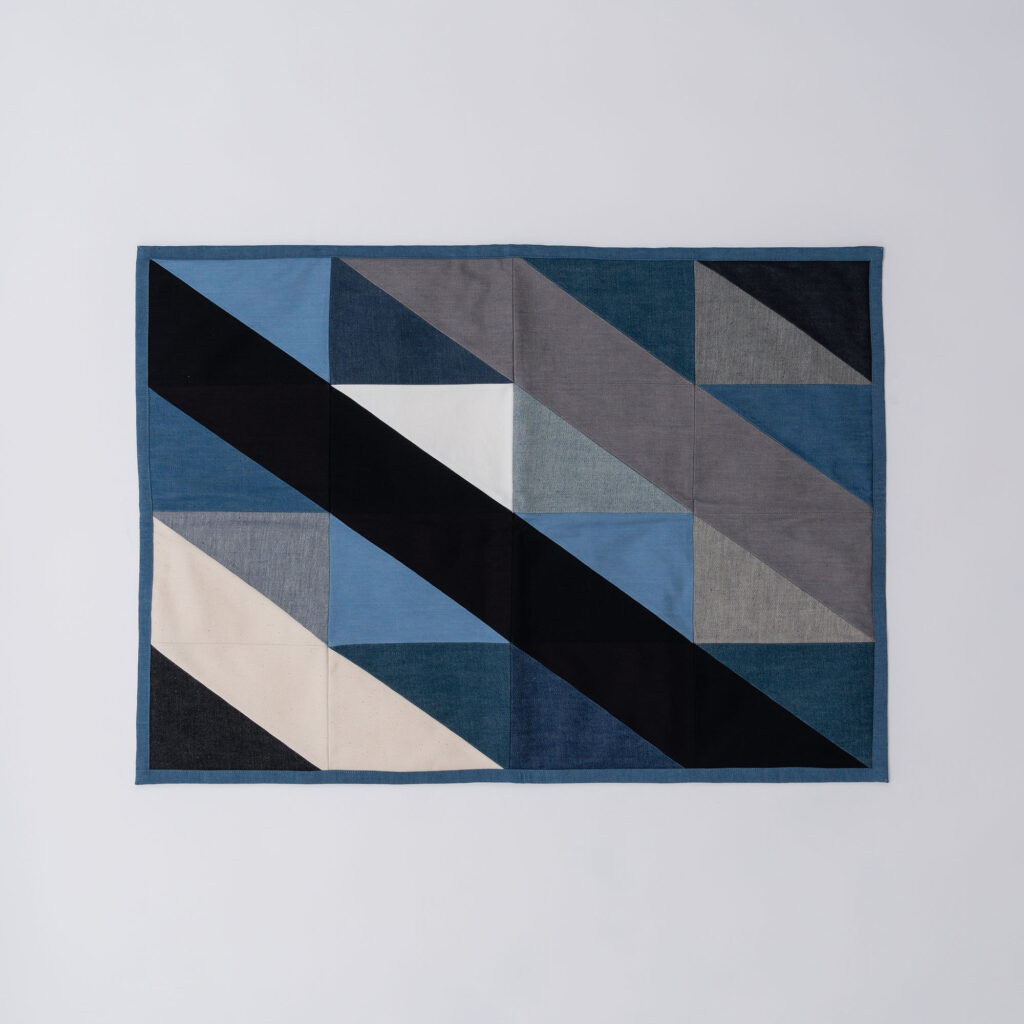
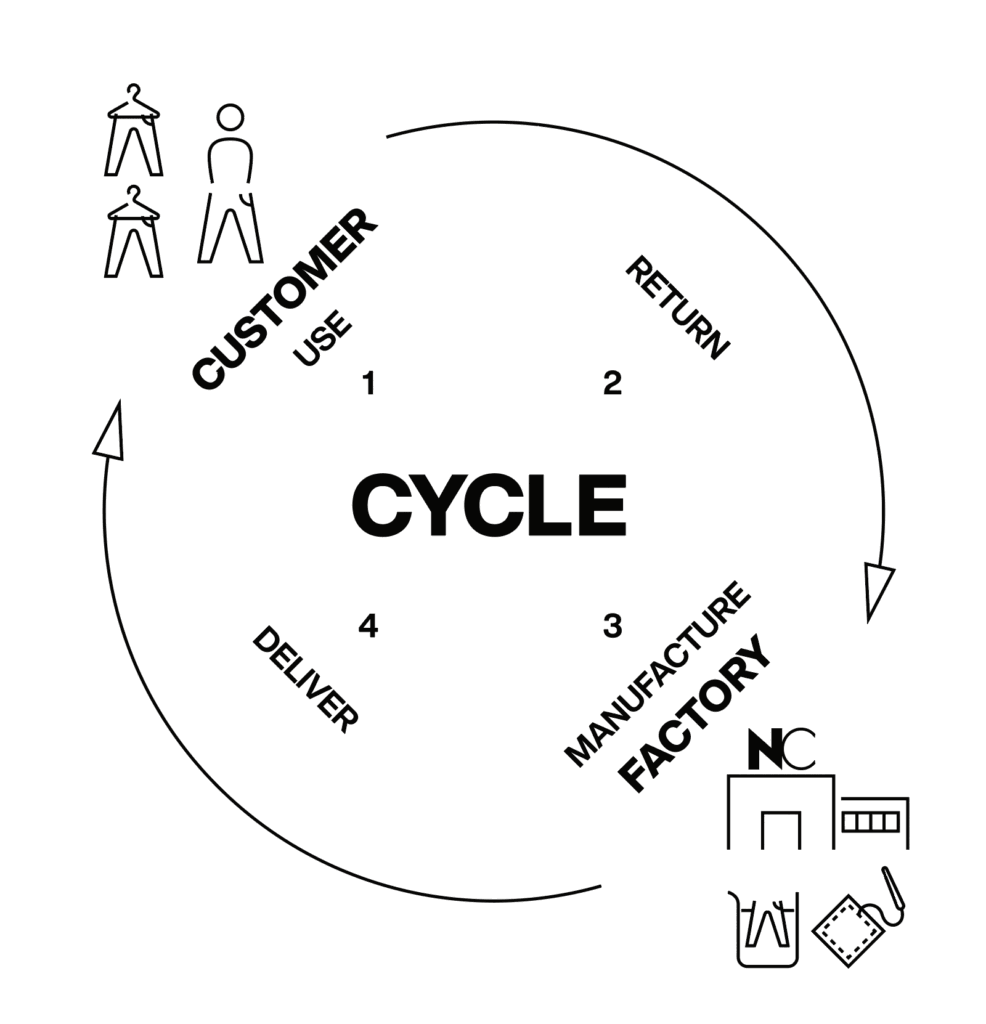
At our brand, “NC PRODUCTS,” we focus on creating products that are built to last. In our basic denim line, we use original fabrics made with 17% scrap material from our factoryʼs cutting processes. Additionally, worn-out products are collected and recycled into new items. In our patchwork line, which includes rugs and cushions, we repurpose leftover fabric from our factory to create durable, long-lasting products.

Reflecting on Environment
As in the previous year, we continue to operate on 100% renewable energy through Chugoku Electric Power’s renewable energy green plan.
One of our ongoing goals is to collect the scraps that result from cutting fabrics and find ways to upcycle them into recycled fabric and products. Since we currently outsource our cutting operations to another company, we have asked our partners to measure the volume of scraps produced. By tracking their output as part of our own business waste, we aim to fulfill our environmental responsibilities as a B Corp. (Yamatogi)
How do we reduce the waste coming out of our factory, and how do we find new uses for it? As a B Corp-certified company, this is a challenge we must confront. That said, it’s not as simple as just cutting down the volume of scraps — because fewer scraps also means less fabric used, which has a direct impact on revenue.
That is precisely why we want to turn our scraps into something with genuine value, with a story behind it, and give it something beyond just waste material. For example, we’re exploring the idea of upcycling fabric scraps into paper or felt. Rather than simply recycling, we want to embed the story of how these materials were made — the production background, the ingenuity of our people on the floor — into the products themselves, so that customers can pick them up with a real sense of meaning.
Being responsible manufacturers is a given. So we might as well infuse value into everything that comes out of our production process. I hope to build this kind of creative, circular approach from our factory floor. (Izutsu)
Customers
We measure the value we provide to our customers through customer satisfaction surveys, and use their feedback to improve manufacturing quality and develop new products.
Keywords: Channeling next-generation perspectives back into manufacturing; expanding B Corp values through collaboration; developing the capacity to respond to diverse customer needs.
(i) Co-Creation Project with Next-Generation Creators
As a new initiative, we launched a collaborative project with a Tokyo-based creative school, working alongside the school’s teenage designers and their original brands to produce denim products. While not a mass-production project, it offers a hands-on opportunity for the next generation of creators to learn the realities of manufacturing by going through the process of turning an idea into a tangible product together.
Throughout the project, we carefully share the fundamentals of product development — spec coordination, sewing design, prototyping, and fitting — with a focus on quality, safety, and durability. For the young creators involved, gaining firsthand knowledge of the garment manufacturing industry is also directly relevant to their future career development.
For us, the experience of working through multiple prototypes alongside the next-generation has sharpened our ability to propose novel ideas to clients and broadened our technical toolkit. We intend to build on these co-creation experiences and ultimately translate them into stronger creative proposals and better quality products to our customers.
(ii) Collaboration with a B Corp Company
We are involved in the development of new products for Wazawaza Co., Ltd., a fellow B Corp-certified company. By working with a company that shares core values such as care for society and the environment, transparency, and integrity in business, we believe we can communicate a positive impact to the world through our products, company values and overall initiatives as an organization.
Going forward, we will continue to draw on the learning and insights gained through collaboration with fellow B Corp companies to support new idea generation and quality improvement for our customers.
(iii) Collaboration with a Nordic Brand
Another new initiative involves manufacturing denim products for a high-end Nordic brand. In working with a range of international brands, we are gaining exposure to new perspectives that differ from our domestic experience, including differences in product quality standards, decision-making processes, and communication styles.
We approach each project with the understanding that definitions of “a good product” vary from country to country. Carefully understanding the client’s intent and translating it into actionable manufacturing specifications is something we take seriously.
Going forward, we will continue to build on what we learn from working with customers across different countries, share those insights internally as part of our “toolkit” for other clients, and work toward becoming a manufacturing partner that clients around the world can trust.
Reflecting on Customers
The highlights of this fiscal year include our collaboration with teenage designers, a joint development project with Wazawaza Co., Ltd., and other cross-industry collaborations made possible through the shared B Corp language. The number of B Corp-certified companies in Japan is approaching 100, and further growth from a widening range of industries is expected. In that landscape, the manufacturing strength we bring — rooted in denim sewing and the ability to transform visions and ideas into products that consumers can hold in their hands — will play an increasingly important role. As the first B Corp-certified company in Japan’s domestic sewing industry, taking the lead on collaborations is not simply about growing revenue. It’s also about raising B Corp awareness among the general public and helping to drive the ethical market forward. We hope to become an example of how various forms of co-creation can build a solid commercial foundation and generate meaningful positive impact in society. (Yamatogi)
This fiscal year allowed us to step into new territories. We engaged directly with partner companies from outside our industry and students from the next generation, oftentimes beginning with the most fundamental conversation: what does it mean to make something? Finding alignment between varying perspectives took time, but by moving through those conversations carefully, I feel we were able to bring each initiative to a meaningful level. It was exciting to share, across industry and generation, the ability to bring joy to the customer who picks up our finished products. I want to keep building a company that can cultivate new values with those who share our vision. (Izutsu)
Featured Article
In a column article, NC PRODUCTS shares the thoughts behind its relocation to the new factory and its perspective on the future of manufacturing.